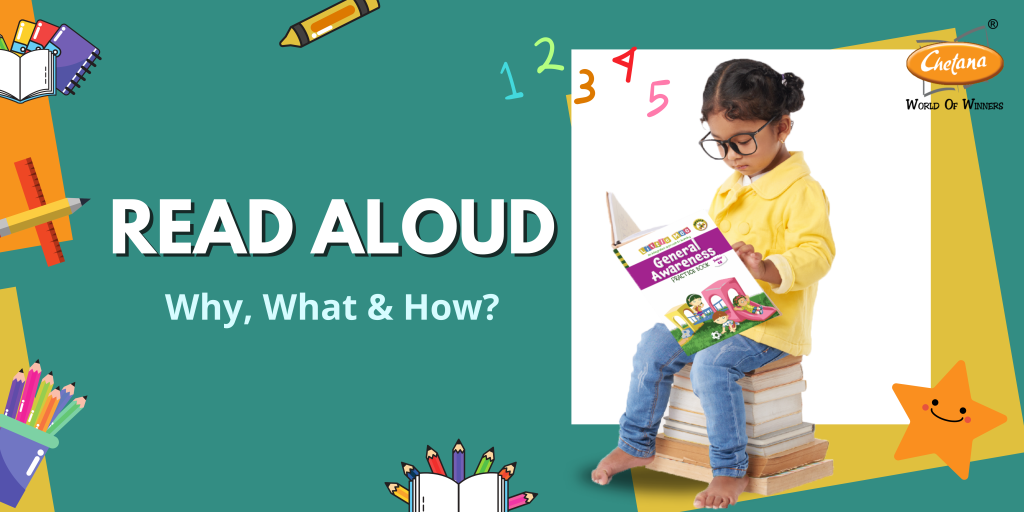
“Reading aloud is not just about words; it’s about weaving a tapestry of imagination, emotion, and connection that binds hearts and minds together.”
Reading aloud involves the practice of verbally sharing written text with an audience, typically children. Here’s a brief overview. The primary goal of reading aloud is to engage listeners, often children, with a story or informational text. It serves educational, developmental, and entertainment purposes, fostering language acquisition, cognitive skills, and emotional connections.
Why Read Aloud?
Language Development: Reading aloud exposes children to a diverse range of vocabulary, helping them build language skills crucial for communication and academic success.
Cognitive Development: It promotes critical thinking, problem-solving, and comprehension skills by engaging children in stories that challenge their understanding and imagination.
Bonding and Emotional Connection: Reading aloud creates intimate moments between caregivers and children, fostering emotional bonds and a sense of security.
Literacy Skills: It introduces children to the mechanics of reading, such as phonics, sight words, and comprehension strategies, laying the foundation for future literacy.
Cultural Awareness: Exposing children to diverse stories broadens their understanding of the world, promoting empathy, tolerance, and cultural appreciation.
What to Read Aloud?
Age-Appropriate Material: Choose books with content suitable for the child’s age and developmental stage, considering themes, language complexity, and illustrations.
Variety of Genres: Explore different genres such as fiction, non-fiction, poetry, and fairy tales to expose children to a diverse range of storytelling styles and topics.
Interactive Books: Select books with engaging illustrations, rhymes, and repetitive phrases that encourage participation and interaction during reading sessions.
Personal Interests: Tailor reading selections to the child’s interests, whether it’s animals, adventure, science, or fantasy, to spark curiosity and engagement.
Diverse Perspectives: Include books that feature characters from diverse backgrounds, cultures, and experiences to promote empathy, understanding, and inclusivity.
How to Read Aloud?
Choose a Cozy Environment: Create a comfortable and distraction-free space for reading, such as a cozy corner or a favourite chair, where the child feels relaxed and focused.
Use Expressive Voice and Gestures: Bring stories to life by using expressive voices, varying tones, and gestures to convey emotions, characters, and actions.
Encourage Interaction: Ask open-ended questions, make predictions, and encourage discussions to engage children actively in the story and promote comprehension and critical thinking.
Follow the Child’s Lead: Allow children to take the lead in selecting books, asking questions, and exploring their interests during reading sessions to foster autonomy and ownership.
Make it a Routine: Establish a regular reading routine, such as bedtime stories or story time sessions, to create consistency and anticipation, making reading a cherished part of daily life.
By understanding the importance of reading aloud, selecting suitable materials, and employing effective reading techniques, teachers/caregivers can cultivate a love of reading, enhance language and literacy skills, and foster meaningful connections with children.